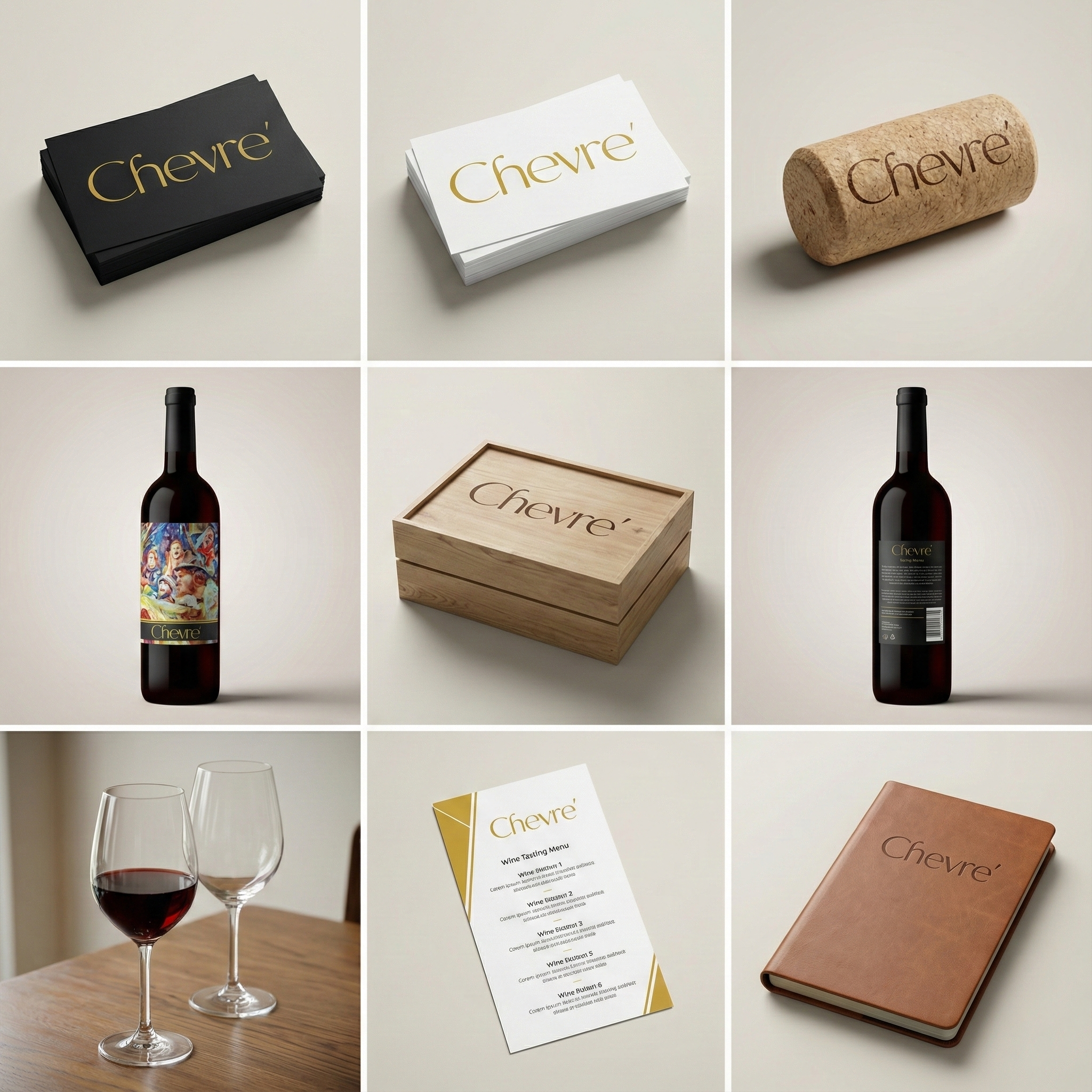
Chevre Winery Branding: Stunning Transformation for Excellence
The Core Challenge: Beyond the Bottle
The initial text hints at a common challenge in the premium wine market: having a superior product is not enough. The “commoditization of quality” means many wineries produce excellent wine. To stand out, a brand must tell a compelling story that connects with consumers on an emotional level before the cork is even pulled. Chevre Winery understood that their packaging was the first touchpoint of that experience. —
Deconstructing the 2TInteractive Strategy
The success of this project lies in a methodical, deeply integrated process. We can break it down into several key phases:
1. The Discovery Phase: Unearthing the “Terroir” of the Brand The “deep dive” mentioned is the foundation of all effective branding.
For 2TInteractive, this likely involved:
Audit & Analysis: Reviewing existing assets, competitor branding, and market positioning.
Stakeholder Workshops: Interviewing the winemakers, family members, and staff to understand the “why” behind Chevre—their passion, their history, and their definition of “excellence.” Tasting & Immersion: Physically walking the vineyards, understanding the terroir, and tasting the wines to translate sensory experiences (e.g., the “boldness” of a Cabernet, the “crispness” of a Sauvignon Blanc) into visual language.
2. The Strategic Foundation: Translating Philosophy into Identity This is where abstract concepts became a concrete strategy. The goal was to create a brand “world” that felt authentic to Chevre.
Brand Archetype: The description suggests a blend of the Creator (the art of winemaking) and the Sage (heritage, wisdom, the passage of time). This combination positions Chevre as both an artist and a trusted expert. The “Essence”: They aimed to capture the soul of the winery, which seems to be a balance between heritage/tradition and modern sophistication, with a “touch of whimsy” to ensure it remains approachable and memorable.
3. The Visual Execution: A Cohesive Sensory Experience The Logo – More Than a Mark: The “graceful curves of a grapevine” do more than just look pretty. They symbolize the core of the business: growth (of the vine and the company), interconnection (of soil, climate, and craft), and vintage (the annual cycle and aging process). A custom mark ensures uniqueness and ownability, preventing it from looking like a stock graphic.
The Color Palette – A Story in Hues: Deep Burgundies: Directly connects to the wine itself, evoking richness, body, and luxury. It’s a classic, confident color for red wines.
Lush Greens: Represents the vitality of the vineyard, natural origins, and a sense of freshness—crucial for communicating the character of white wines like Sauvignon Blanc.
Shimmering Golds: Introduces an element of prestige, celebration, and craftsmanship. It suggests a medal-worthy quality and adds a tactile, premium feel.
The Packaging – The Physical Storybook: Label as a Narrative: The statement “each label tells a story” is key. This means the design is not one-size-fits-all. The label for a bold, aged Cabernet might use more burgundy, heavier typography, and textural elements like foil stamping to feel weighty and important. The label for a crisp Sauvignon Blanc might emphasize the greens and golds, with cleaner, lighter typography and more white space to convey freshness and elegance.
Material and Tactility: True excellence in packaging considers the physical experience. 2TInteractive likely specified premium paper stocks, embossing/debossing techniques for the logo, and that “shimmering gold” as a hot foil stamp. This makes the act of picking up the bottle a sensory delight. —
The Result: A Tangible Business Impact
The final sentence, “elevating its presence in the competitive wine market,” can be expanded into concrete outcomes:
Shelf Presence: In a crowded store or on a restaurant wine list, the cohesive and beautiful packaging acts as a “silent salesperson,” stopping consumers and drawing them in.
Brand Recognition & Loyalty: A strong, consistent identity makes Chevre instantly recognizable. Customers who have a positive experience with the brand (from bottle to taste) are more likely to become repeat buyers and brand advocates.
Price Point Justification: Superior branding and packaging allow a winery to command a higher price, as the perceived value is increased. The product is no longer just wine; it’s an object of desire and a story to be shared.
Strategic Foundation for Growth: This new identity is a scalable asset. It provides a clear visual language for future marketing—website, social media, tasting room materials, and merchandise—ensuring every customer touchpoint reinforces the same message of excellence. In conclusion, 2TInteractive didn’t just give Chevre Winery a new look; they built a comprehensive brand ecosystem. By meticulously translating the winery’s soul into a sophisticated visual and tactile language, they created a powerful tool that not only reflects the quality inside the bottle but actively enhances it, truly “uncorking excellence” for the world to see.